
Healthcare + HCI
Applying Human-Computer Interaction (HCI) methods to the healthcare field contributes to the design, usability, accessibility and effectiveness of a variety of medical technologies to better serve people.
Many today are familiar with wearable health devices, such as smartwatches and fitness trackers, that gather real-time data in order to provide health monitoring for patients. There are many other opportunities to explore within HCI + healthcare, such as: developing human-centered software and hardware; utilizing sensors for activity recognition and measurement; designing information displays for wearables, apps, and screens; and using applied machine learning algorithms to analyze patterns. Everyday applications continue with opportunities in physical therapy, mental health, workout tracking, and even the potential to improve access to medical resources around the world.
It is important to note that human-centered design in healthcare settings and systems must also address patient safety and ethics considerations, including data privacy, consent, and the potential for bias in AI-driven systems. Ensuring the future of healthcare tech is ethically designed is key to protecting patients and maintaining trust.
Students who want to learn more about this HCI research area might be interested in the following courses:
- 05-437/05-837: Ubiquitous Computing
- 05-499/05-899: Special Topics: Fairness, Accountability, Transparency, & Ethics (FATE) in Sociotechnical Systems
- 05-399/05-899: Special Topics: AI Innovation in the Healthcare Sector
- 17-320: Machine Learning and Sensing for Healthcare (offered by S3D)
Faculty Researchers
-

Smartwatches Could One Day Help Diagnose ADHD in Children
NEWSSmartwatch sensor technology developed by Carnegie Mellon University researchers could help doctors make more accurate diagnoses of attent...
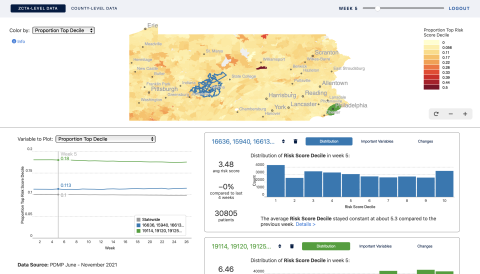
Predicting and Visualizing Overdose Risk for Public Health
PROJECTOverdose due to opioid misuse and abuse is currently a critical public health issue in the United States and worldwide. Machine learning (ML) approaches h...
-
Machine Learning Model Predicts Health Conditions of People With MS During Stay-at-Home Periods
NEWSResearch led by Carnegie Mellon University has developed a model that can accurately predict how stay-at-home orders like those put in pla...

Bloomwood Stories
PROJECTBloomwood Stories: Block Party is a visual novel that aims to increase players' health self-efficacy and connect them to health resources at their local l...
-
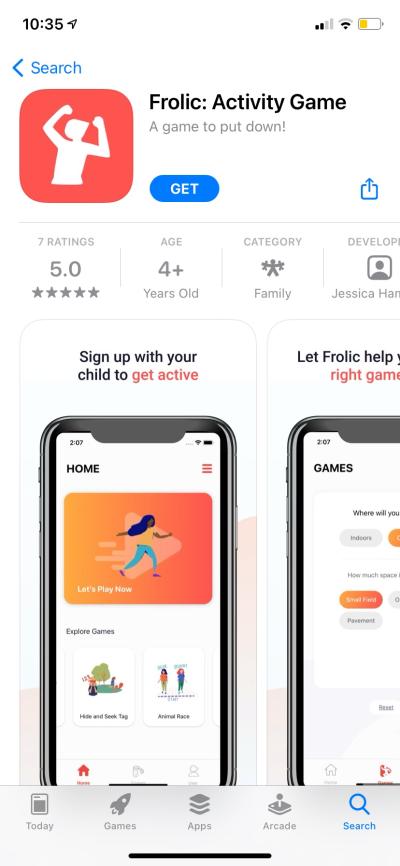
Hammer and Kalarchian Win Shape of Health Competition
NEWSA new game developed by Jessica Hammer and Melissa Kalarchian, two Pittsburgh-based researchers, won first prize in a national competition...
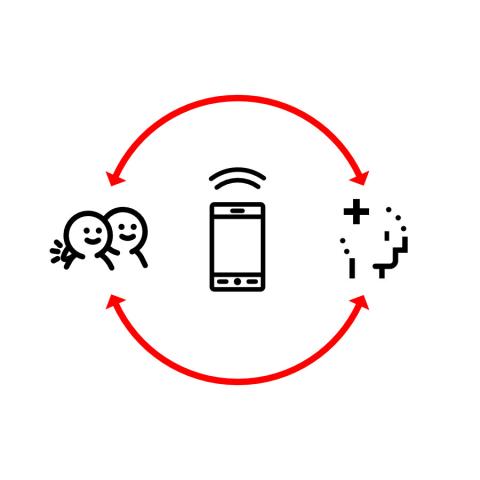
Understanding Mental Health with Mobile Sensing
PROJECTUnderstanding how our family and friends affect our mental health People are social beings in nature and our friends and family play a crucial part in ou...
Audio Emotion Recognition
PROJECTWe have built an emotion recognition system based on prosodic features (i.e. intensity, pitch, formant frequencies of sounds) combined with short-term per...
Virtual Rehabilitation Assistants (VRAs)
PROJECTVRAs are applications of wearable devices which track patient home exercises in order to quantify exercise metrics regarding compliance, performance, and ...
Virtual Coach for Stroke Rehabilitation Therapy
PROJECTThis Virtual Coach evaluates and offers corrections and feedback for rehabilitation of stroke survivors. The Virtual Coach is composed of a tablet for cli...
Seating Coach
PROJECTThe goal of Seating Coach (SC) is to facilitate power wheelchair users to utilize auxiliary seating functions for health management while preventing poten...
Health Kiosk
PROJECTOur contention is that multi-user health kiosks, designed with input from older adults and situated in convenient community locations, offer a way to bols...
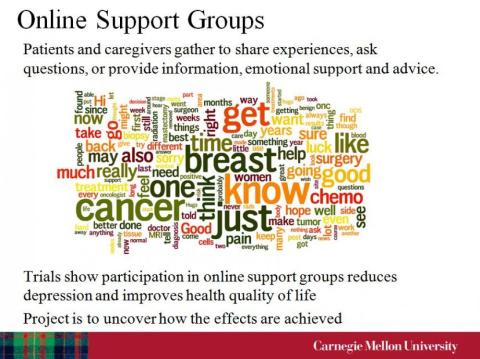
Internet Support Groups
PROJECTPeople facing serious health threats increasingly use the Internet to obtain information and support. Internet support groups (ISGs), online communities w...